About the society
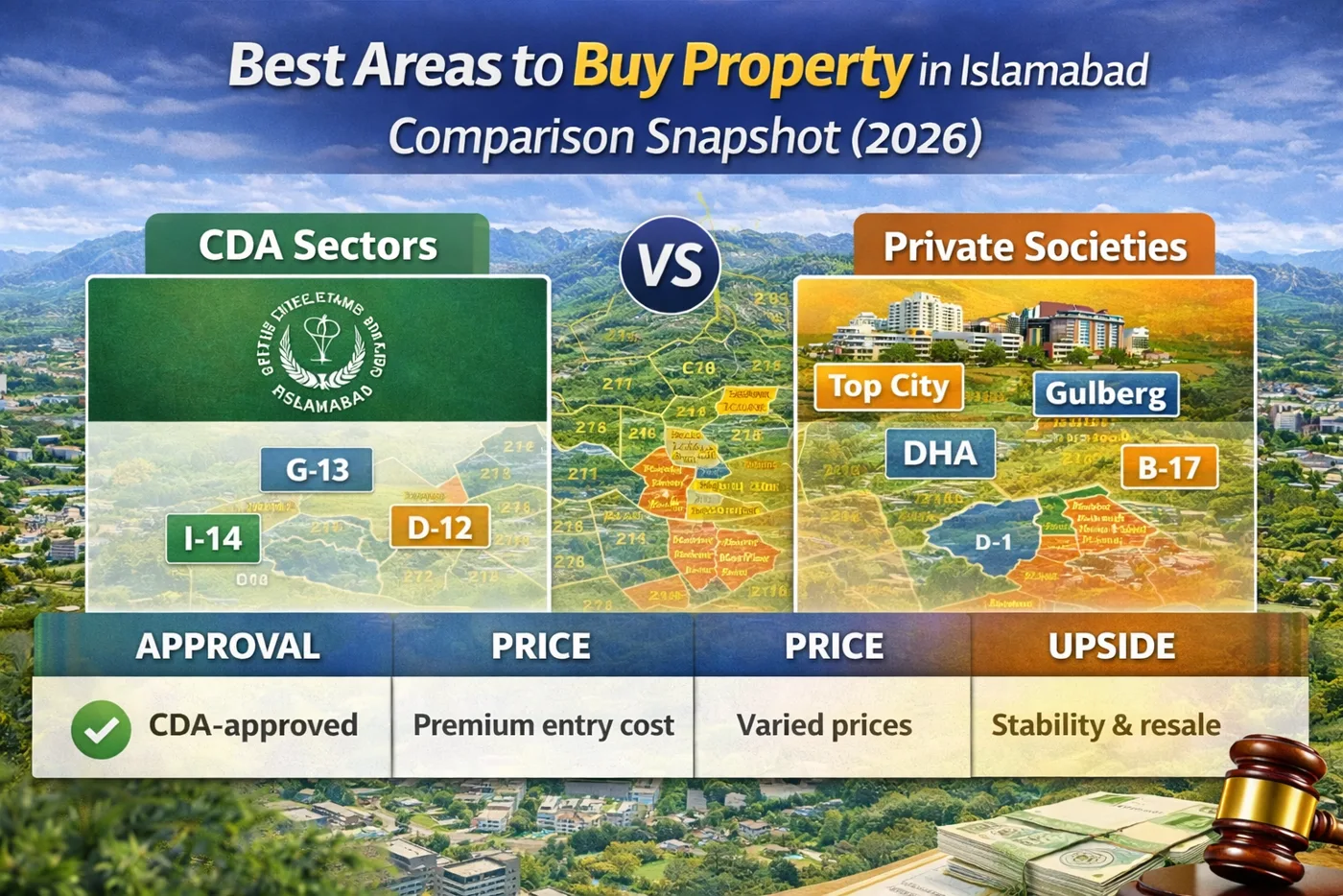
Islamabad is the only city in Pakistan planned sector by sector. Zones 1 and 2 are laid out as 2 km x 2 km sectors, lettered vertically and numbered horizontally, and every plot inside them is allotted by the Capital Development Authority (or by FGEHF in the case of G-14). That single fact is why cautious buyers keep coming back to CDA files: the counterparty is the government, the land is inside main Islamabad, and launch prices are usually well below what private schemes charge for comparable locations. The trade-off is patience — CDA can take years to acquire land and finish development, so a CDA plot is a medium to long-term hold rather than a quick flip.
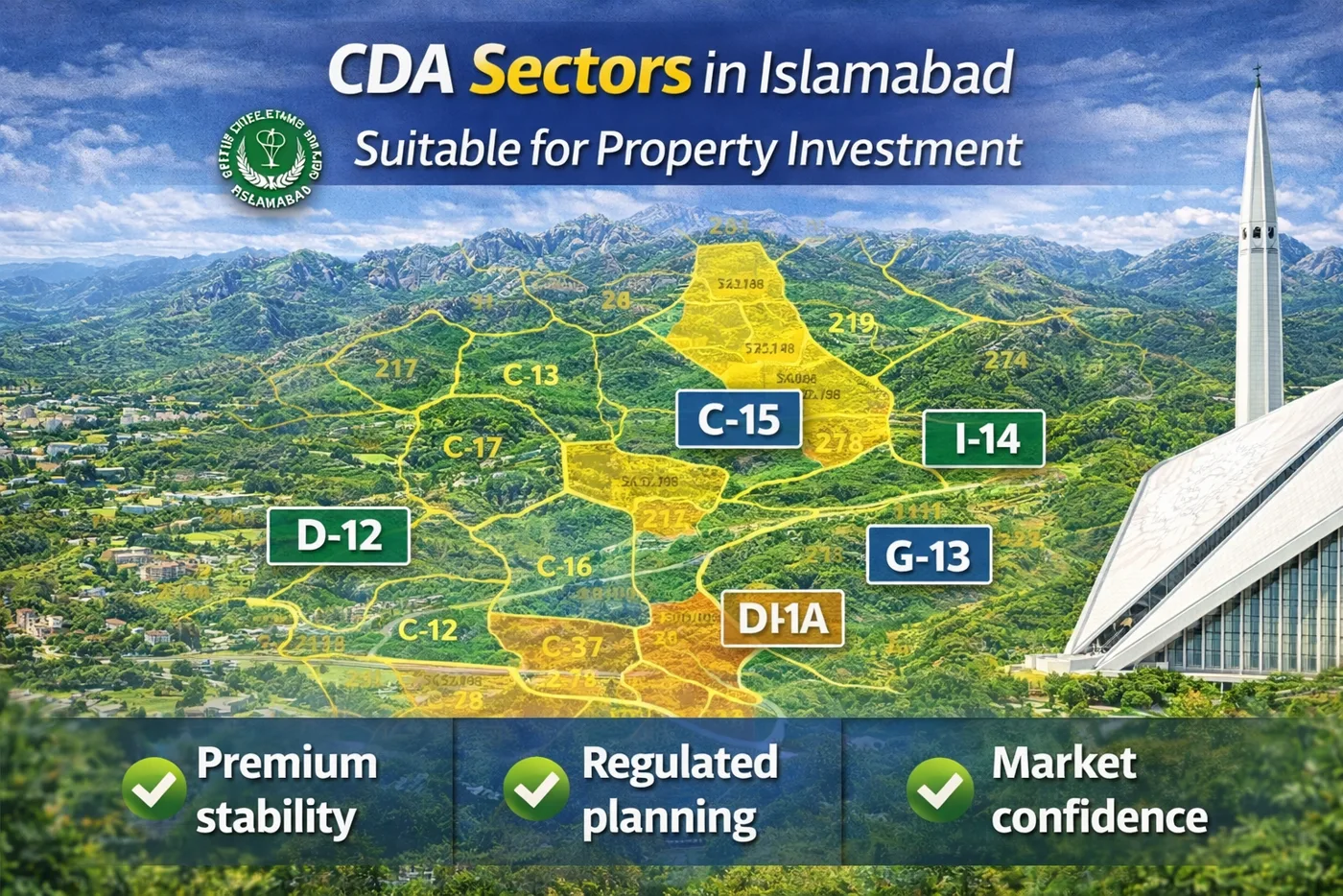
Why investors prefer CDA sectors comes down to three things. Returns: CDA releases limited plots at controlled prices, so demand outstrips supply and values move faster than in most private schemes. Location: sectors sit inside main Islamabad — on Kashmir Highway, Margalla Avenue, NUST Road or G.T. Road — not an hour outside it. Trust: your allotment sits in a government record, which removes the developer risk that worries many buyers.
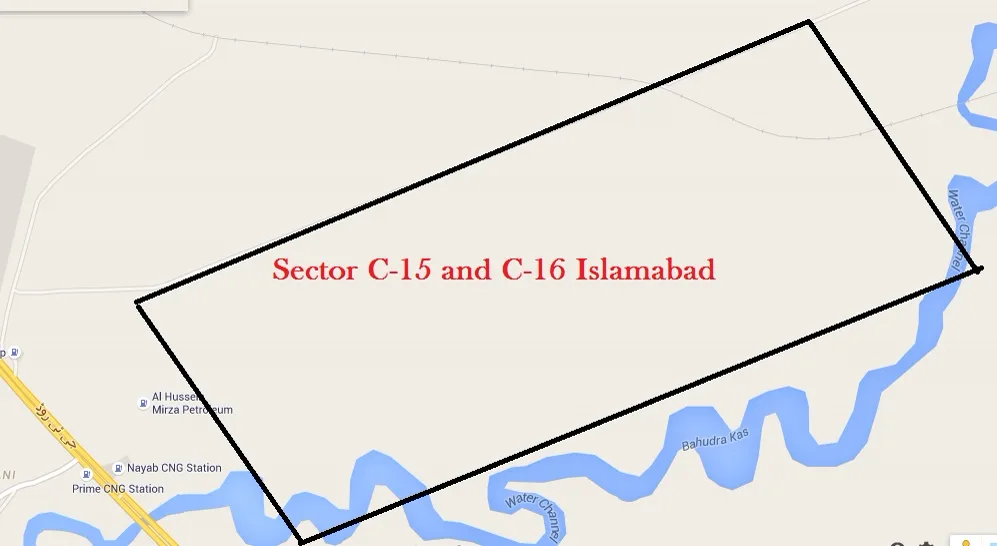
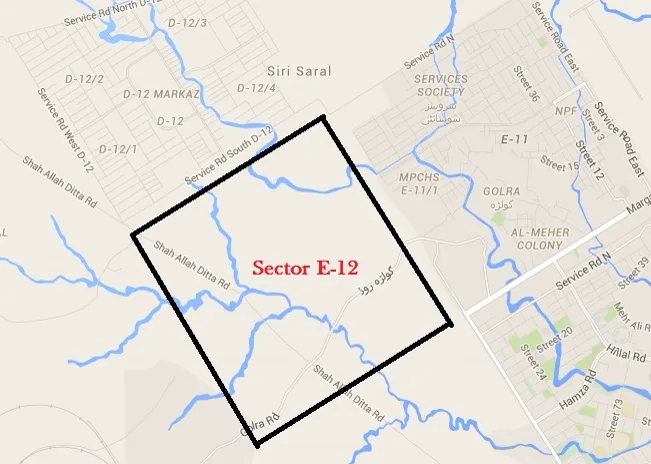
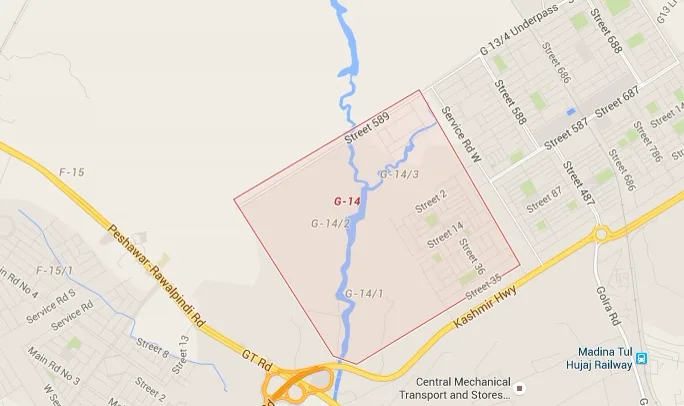
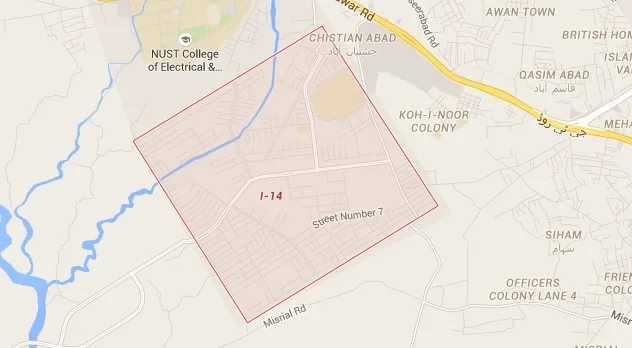
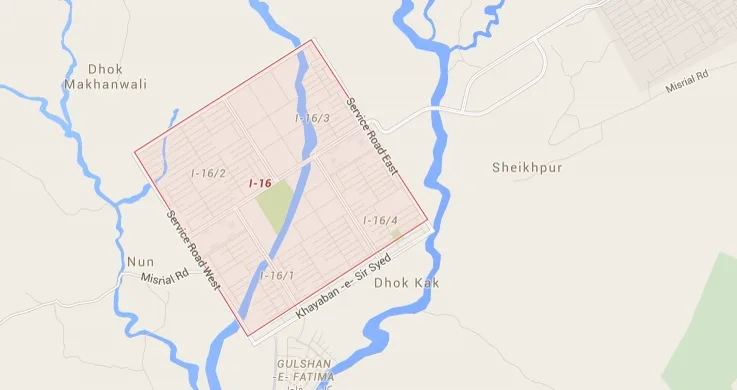
The honest counter-argument matters just as much. CDA is slow. Land acquisition in sectors such as C-15, C-16, E-12, I-11 and G-14 has run for years because settled residents must be compensated and relocated first, and finishing standards rarely match DHA, Bahria or MPCHS. If you need a built-up address within two years, a developed sector such as I-14 or I-16, or a private scheme, will suit you better.
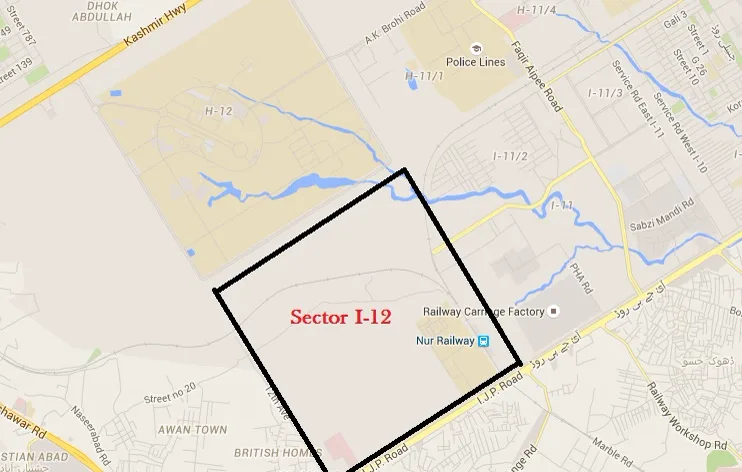
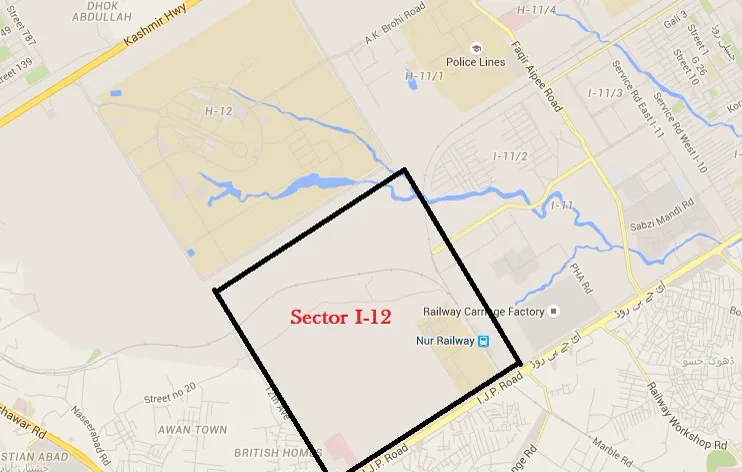
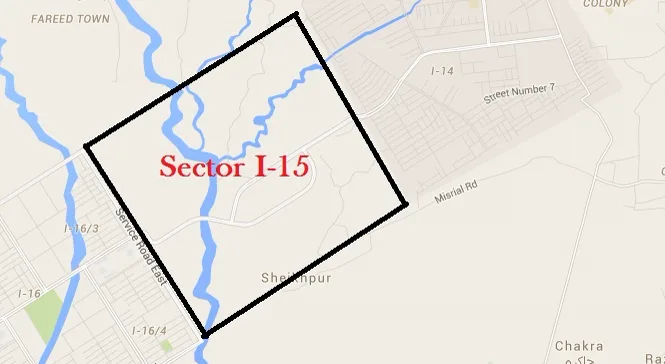
That is why we split these sectors into two buckets. Developed sectors — I-14 and I-16 — let you buy, build and live now, at prices far below comparable CDA addresses. Undeveloped sectors — C-15, C-16, E-12, G-14, I-11, I-12 and I-15 — are held for appreciation, with an expected horizon of roughly three to ten years depending on how far land acquisition and the development budget have progressed.
Two mechanics decide whether a deal is safe. First, transfer type: in sectors where affectees were compensated with plots (I-12 and E-12 in particular), a first-transfer file from an affectee is cheaper but needs extra procedure, while a second-transfer file already sits in an investor's name and trades at a premium. Second, category and ground position — corner, park-facing, boulevard, or a plot sitting in a ravine — can swing value by a wide margin inside the same sub-sector.
Property Complex works this market file by file. We check the allotment and transfer chain, confirm dues and development charges, physically locate the plot on the layout, and only then quote you. Tell us your budget and holding period and we will come back with the two or three sectors that actually fit it.
Developer
Capital Development Authority (CDA) · FGEHF for G-14
Approvals
Government-allotted sectors — allotment, transfer and possession handled through CDA / FGEHF records