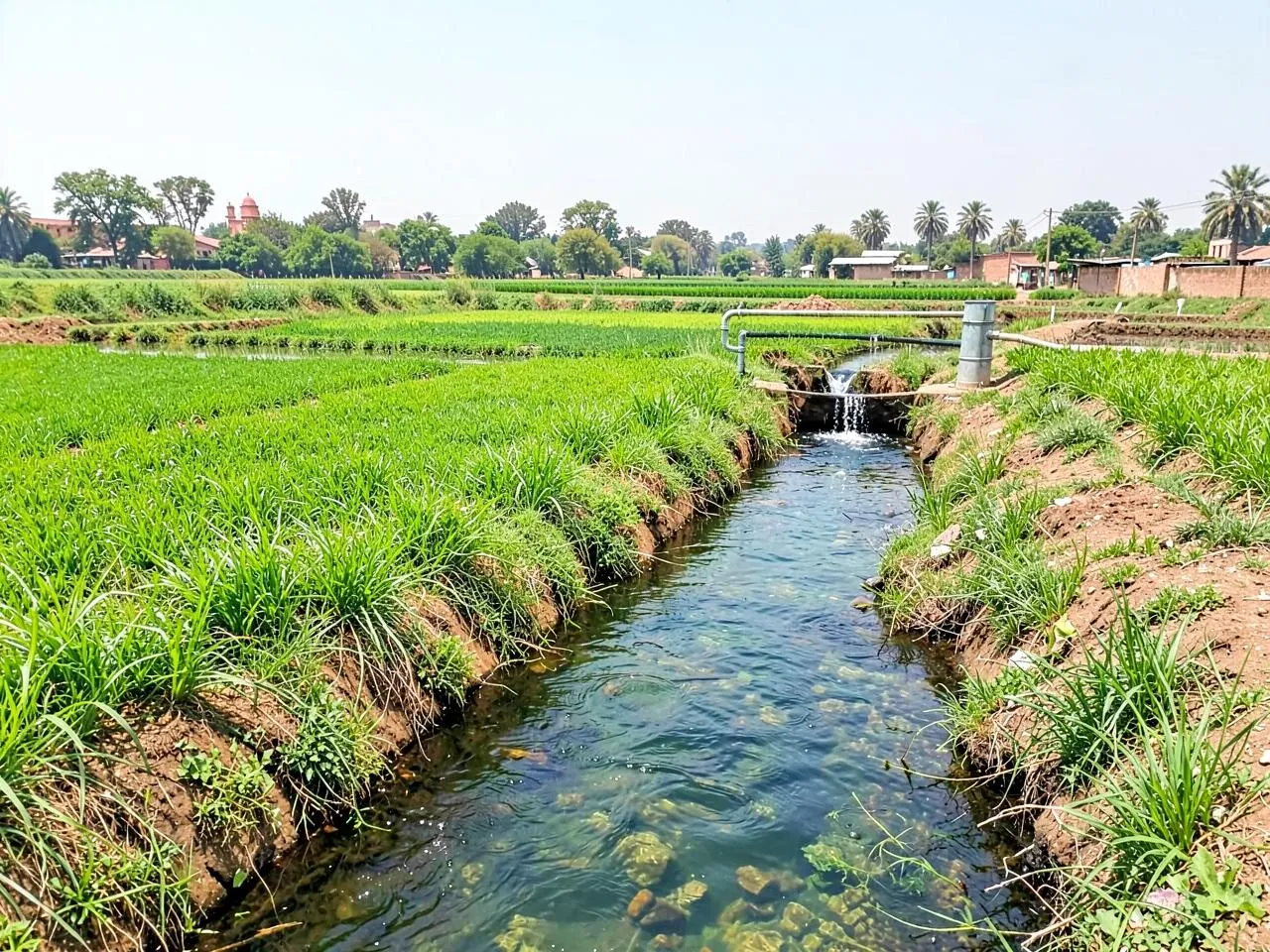
Block 01Canal / tube well
Irrigated Farmland
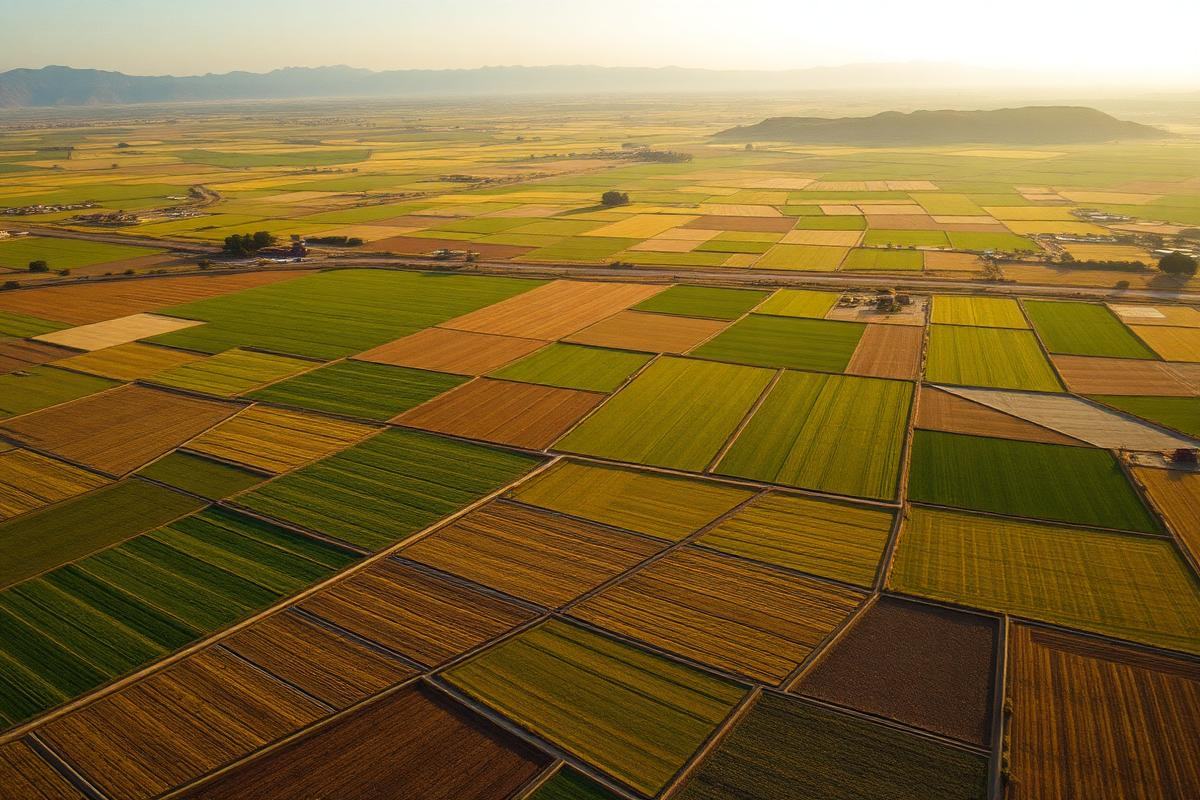
Fed by canals or tube wells. Costs more per acre but produces the most reliable yield and the strongest lease rates.

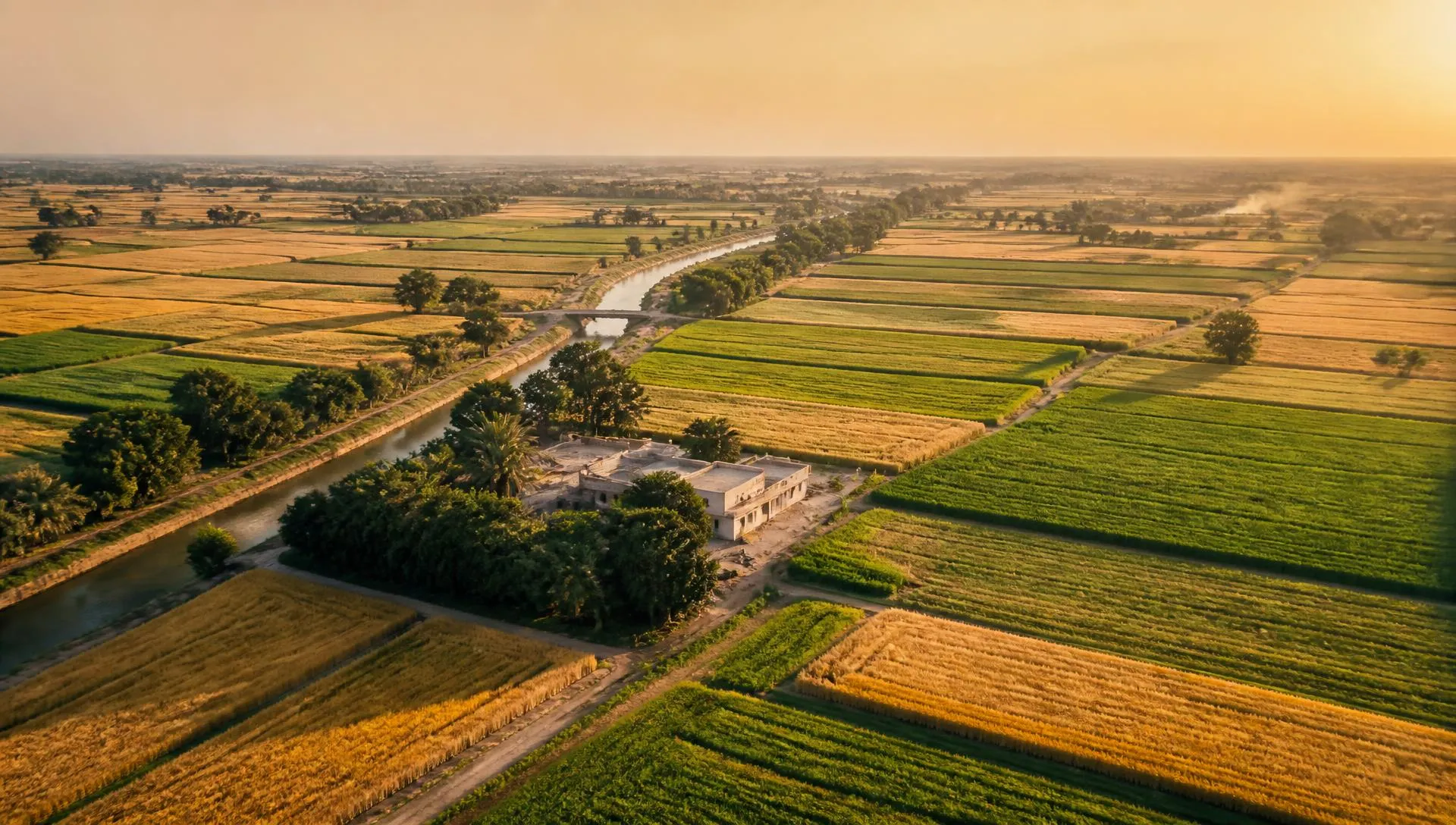
Irrigated fields, barani parcels, orchards and farmhouse plots — verified ownership, honest rates and a complete transfer handled end to end.
Agricultural land in Pakistan is one of the few assets that feeds a family, earns a lease income and appreciates at the same time. Property Complex sources irrigated farmland, rain-fed (barani) parcels, orchards and farmhouse plots — then verifies every document before a single rupee moves.
Buying farmland is rarely only a financial decision. For most families it is about stability, food security and something to hand on. But the process trips up first-time buyers: unclear revenue records, unmarked boundaries, double sales and rates that swing widely from one village to the next.
Start with purpose. Land bought to farm needs fertile soil and dependable water. Land bought to lease out to local growers needs a reliable tenant and road access more than a perfect house site. Land bought purely to hold needs to sit in the path of growth — near Rawalpindi, Chakwal, Talagang or an expanding motorway interchange — where value rises on its own.
Then match the region to the crop. Punjab is the country's food basket, canal-irrigated and strong on wheat, sugarcane and rice, with affordable rain-fed land around Talagang and Chakwal. Sindh's fertile plains suit rice, sugarcane and cotton at scale. Khyber Pakhtunkhwa favours orchards, maize and seasonal vegetables. Balochistan grows excellent dates, apples and pomegranates, but water access is the constant constraint.
Budget beyond the land price. Registration fees, stamp duty, lawyer charges for document verification, and development costs such as tube wells, fencing and boundary walls all follow. Keep 10–15% aside for what you did not plan for.
Property Complex handles the unglamorous half: revenue-record checks at the patwari and tehsil office, physical inspection of soil, water and boundaries, price comparison against recent local sales, a clean bayana agreement, and the sale deed and mutation registered in your name.
Punjab, Sindh, KPK & Balochistan — every drive time below is measured from the society gate.
5 distinct blocks and phases inside Agricultural & Farmhouse Land — every plot size, every budget.
Fed by canals or tube wells. Costs more per acre but produces the most reliable yield and the strongest lease rates.
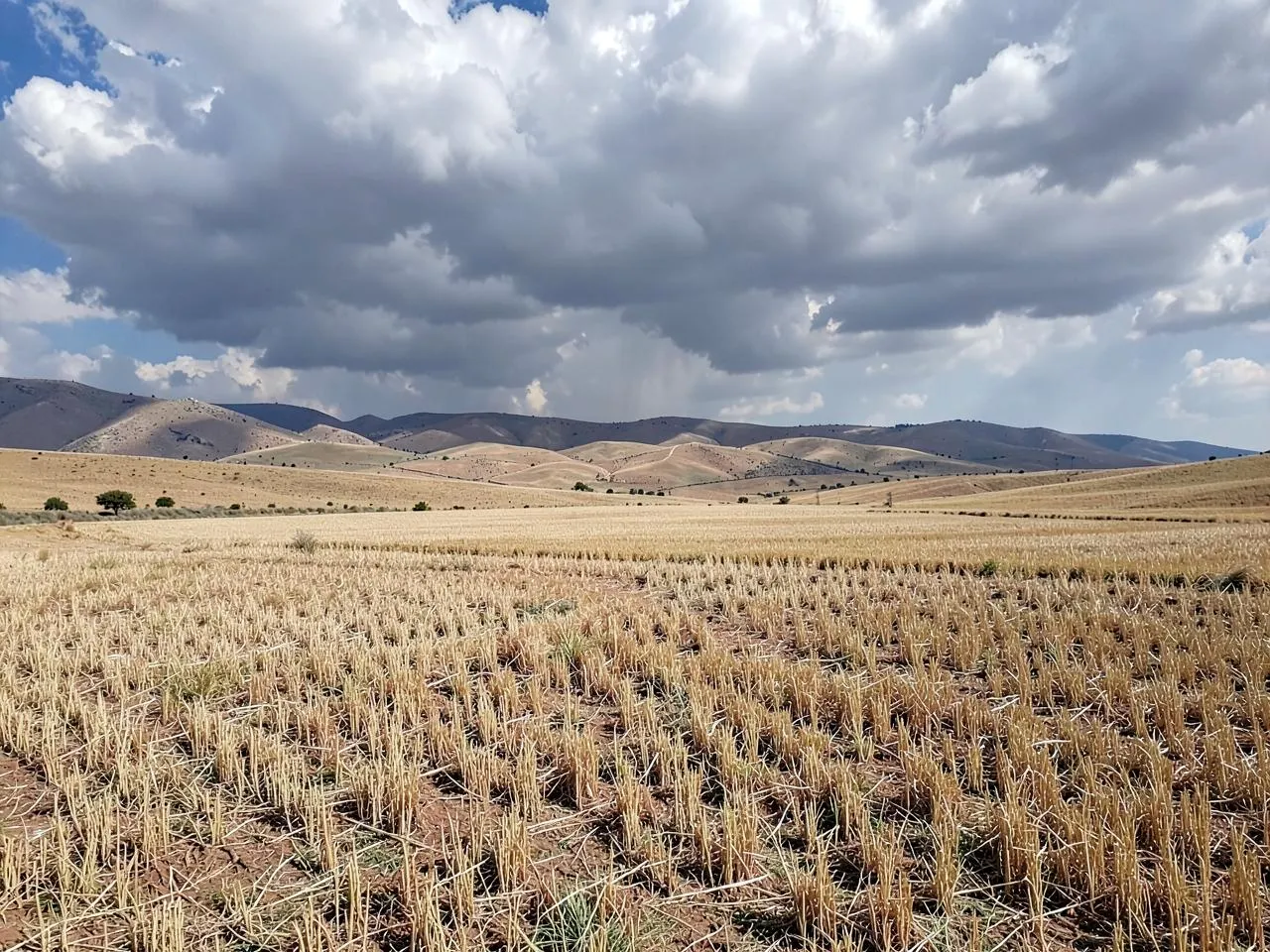
Common around Talagang and Chakwal. Cheaper entry, less predictable output — well suited to wheat, pulses and livestock.
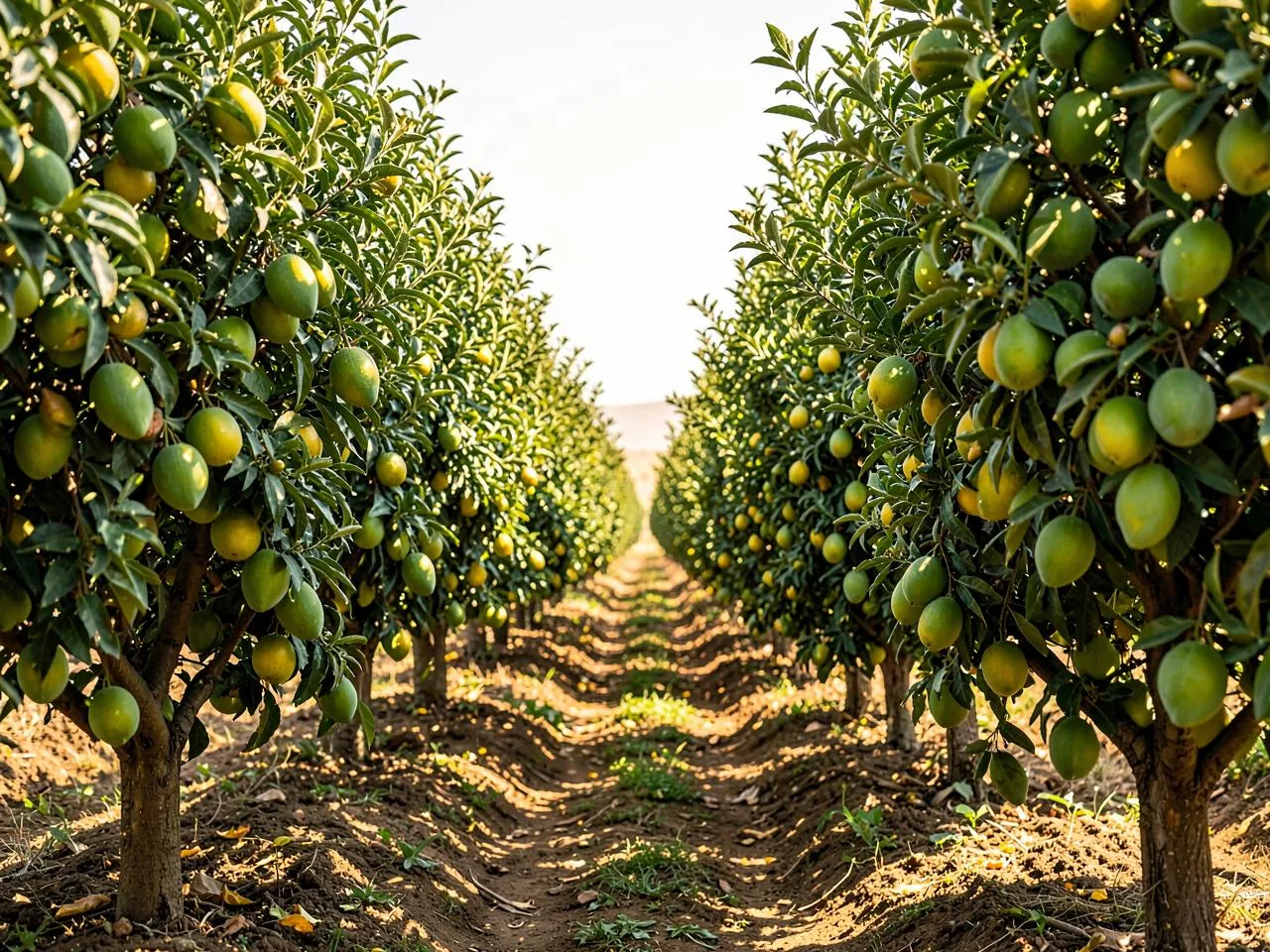
Mango, citrus and guava orchards. Higher setup and care, but the strongest return per acre once trees mature.
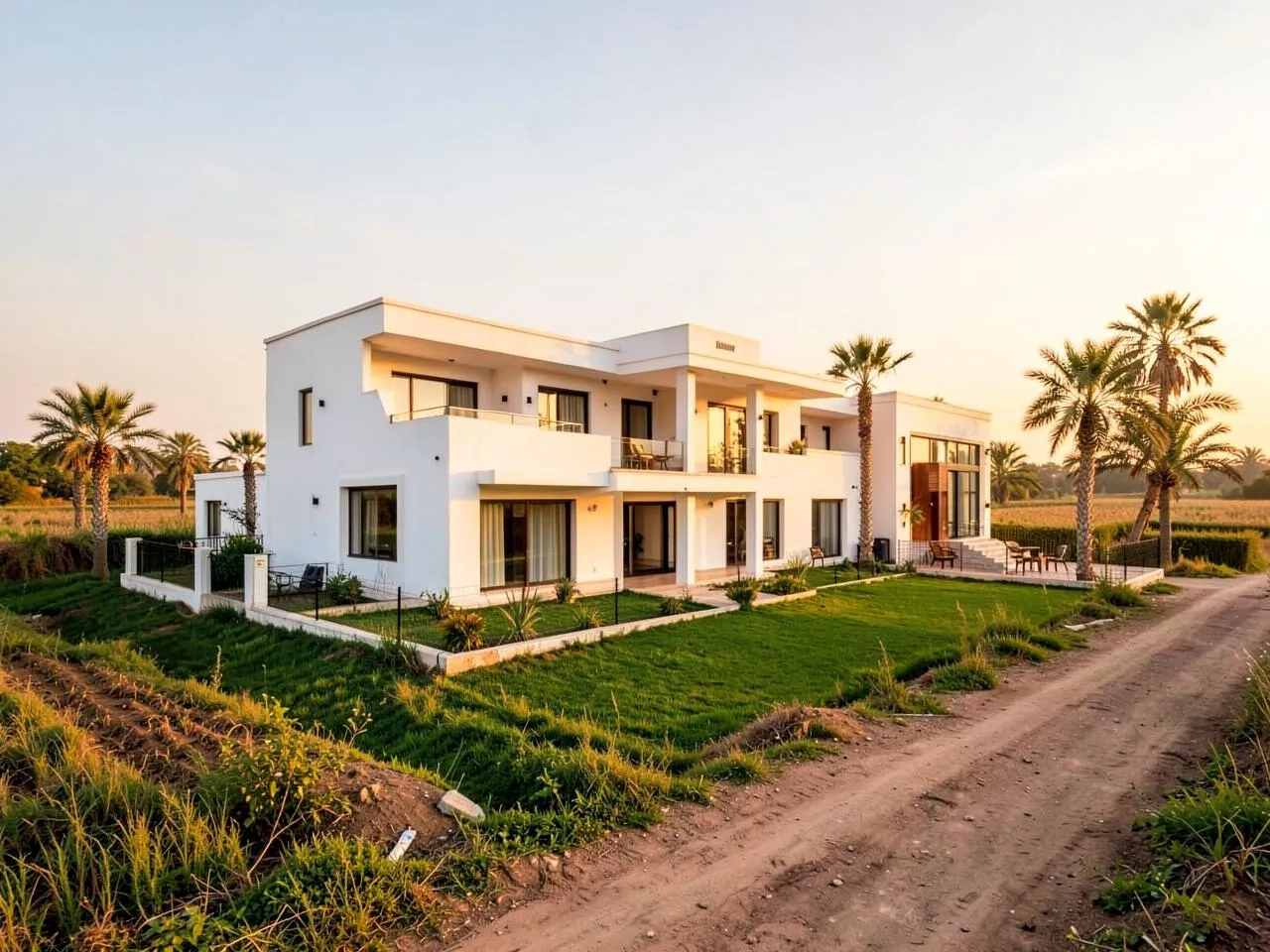
Gated farmhouse parcels with independent access, boundary marking and utilities — a weekend home that still farms.
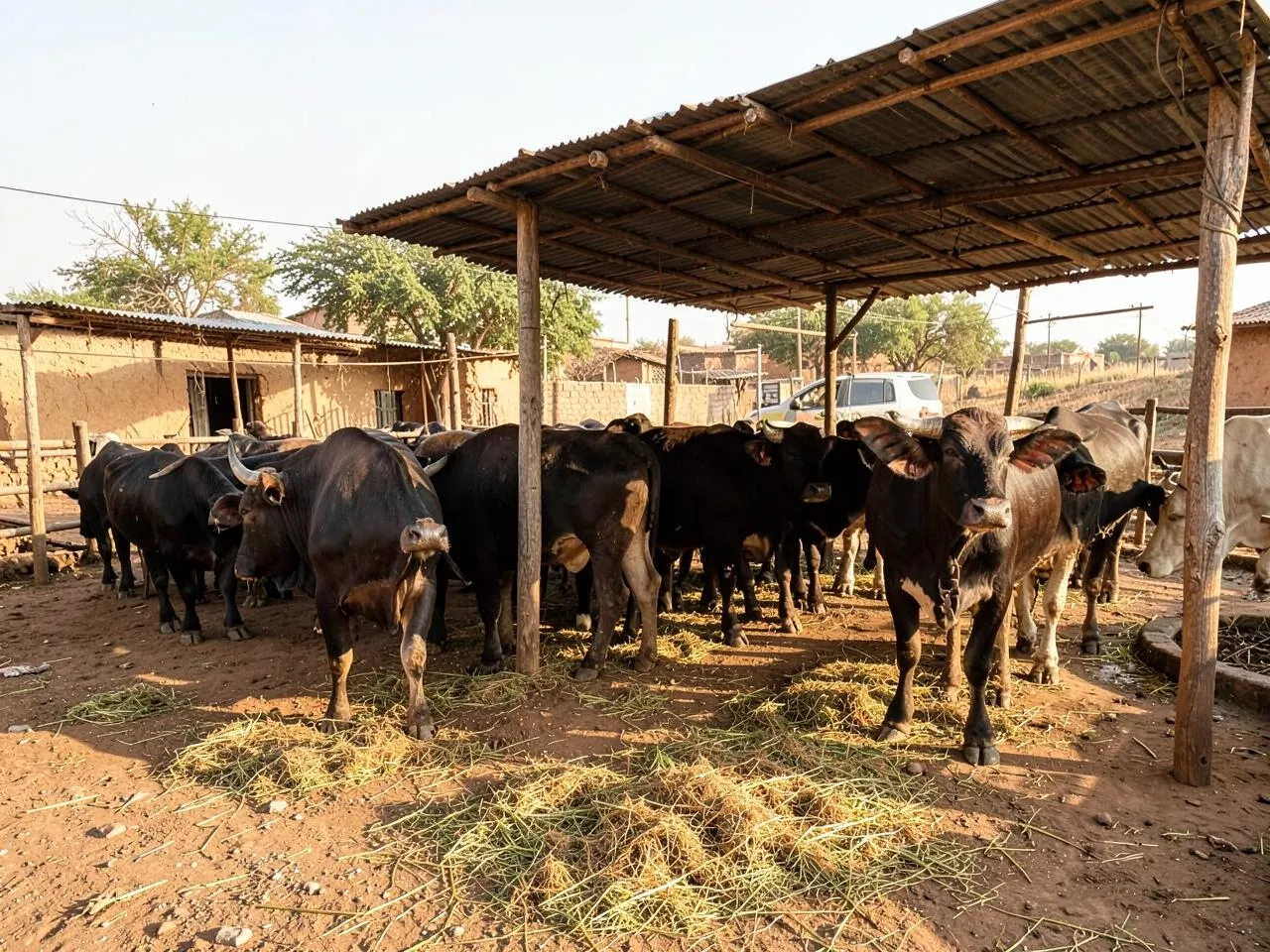
Land with fodder capacity, water and shedding for buffalo and cattle units — monthly income rather than seasonal.
Tap the plan to zoom, or download the official copy.
6 planned lifestyle, learning and leisure amenities across the master plan.
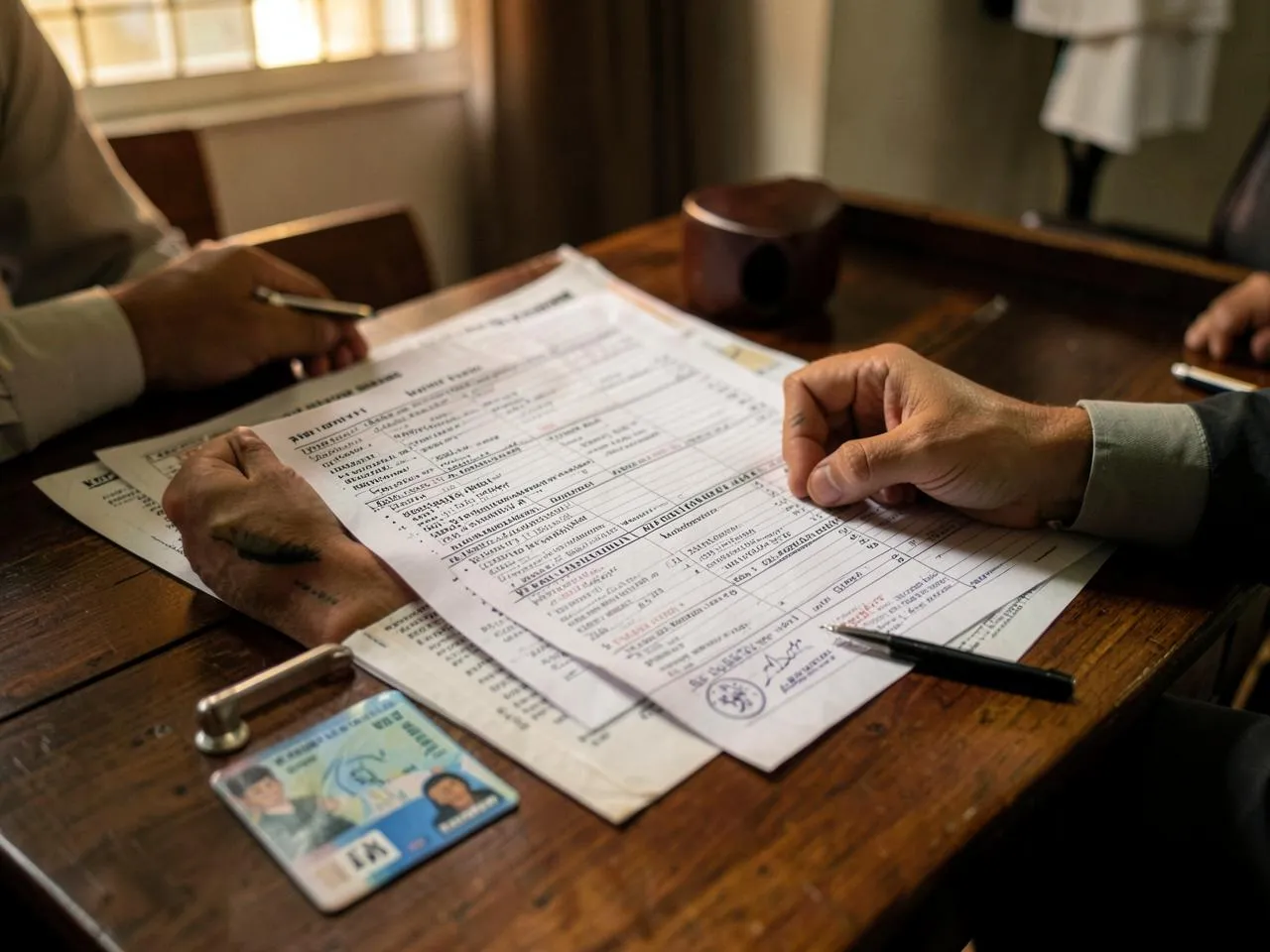
Fard-e-Malkiat, mutation history, Khasra and Khatooni cross-checked with the patwari and tehsil office before any payment. Fake papers and double sales are the single biggest risk in rural deals.
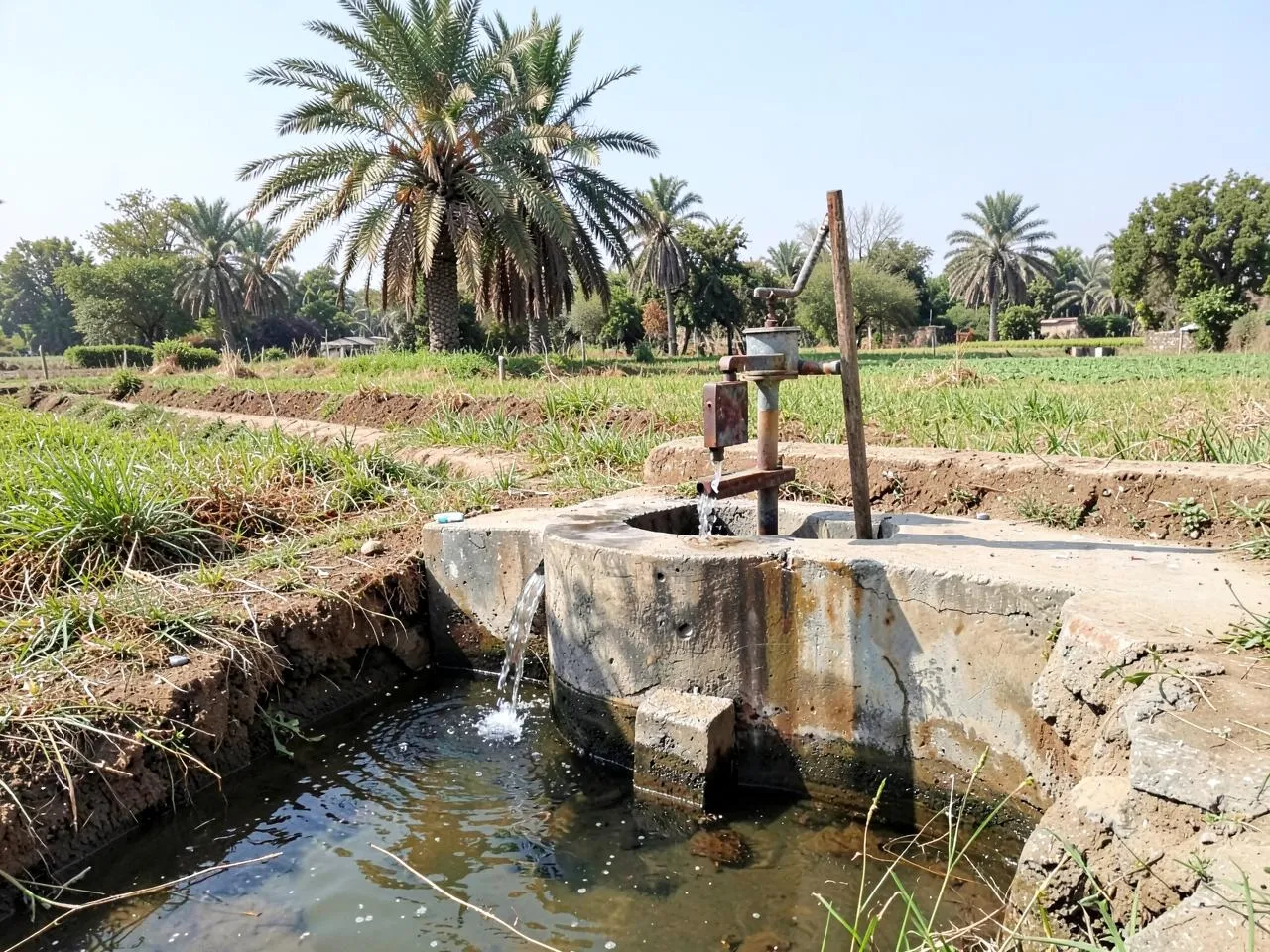
We confirm canal turn or tube-well yield and test that the soil is genuinely cultivable — dark, soft and deep — not just green on the day you visit.
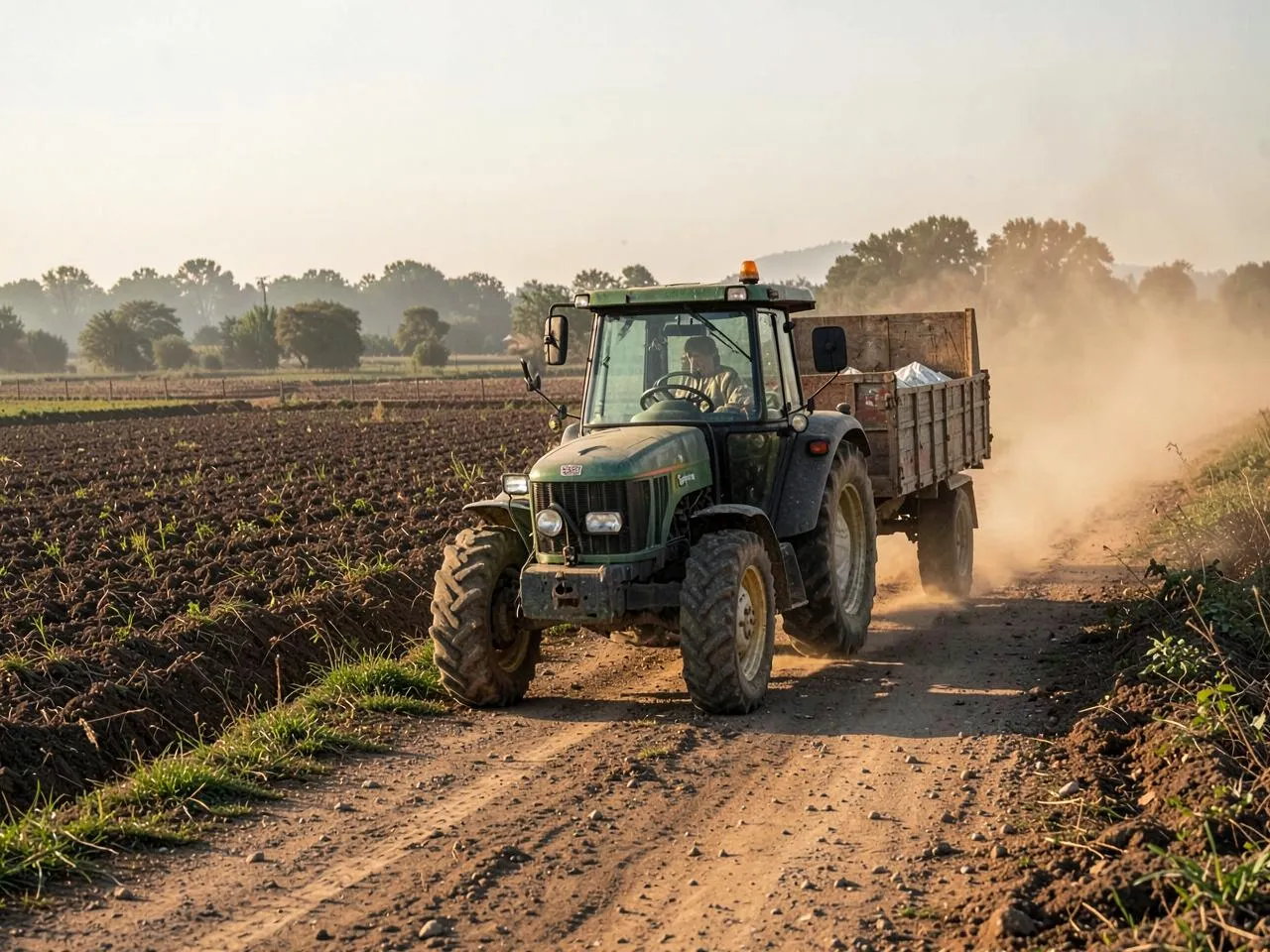
Every parcel we recommend has independent access wide enough for a tractor and loaded trailer, so you are never dependent on a neighbour's goodwill.
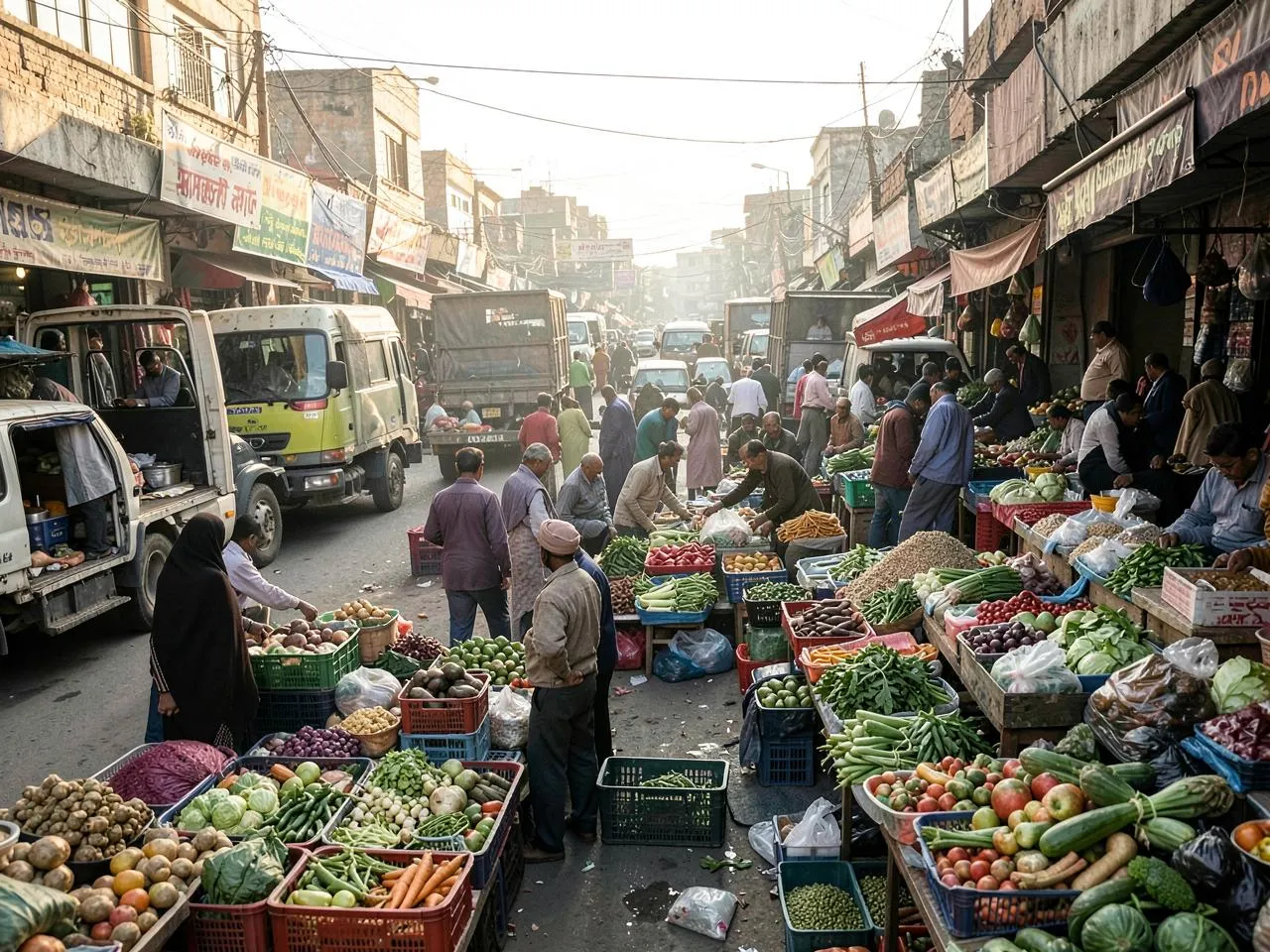
Distance to the nearest mandi decides how much of your crop value survives transport. We map buyers and market routes before you commit.
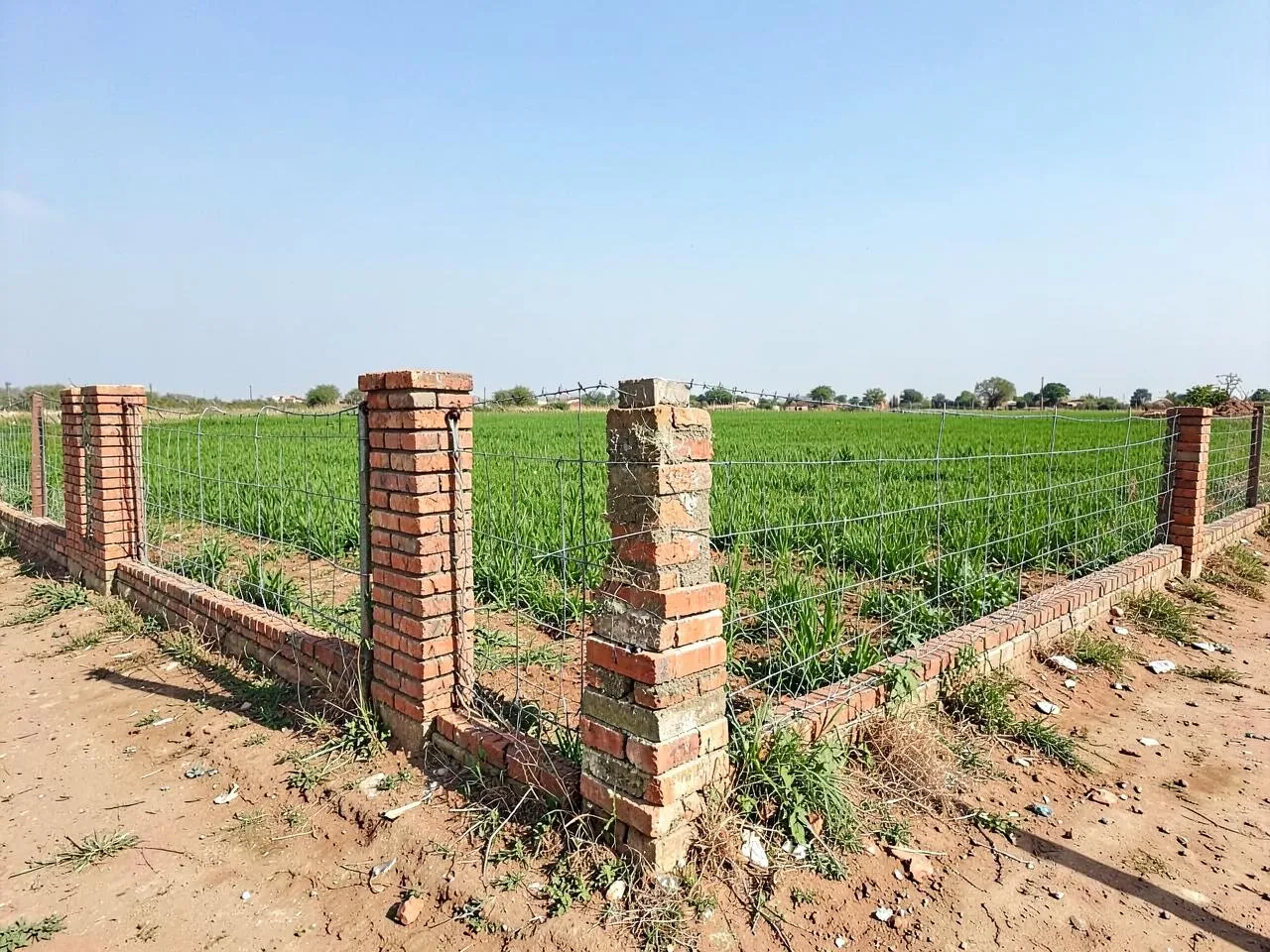
Corner stones, fencing and boundary walls put on record exactly where your land ends — so neither you nor your neighbour drifts an inch.
Tube well installation, plantation, machinery, logistics, caretaker hiring and lease-tenant sourcing once the mutation is in your name.
Figures are indicative and drawn from the developer's published rates. Confirm with our team before committing.
| Head | Typical rate | Paid by |
|---|---|---|
| Stamp duty | ~3% of land value | Buyer |
| Capital Value Tax (CVT) | 2% | Buyer |
| Registration fee | ~1% | Buyer |
| Withholding tax | As per FBR slab | Shared buyer & seller |
| Lawyer / document verification | Negotiated fee | Buyer |
| Contingency buffer | 10 – 15% of budget | Buyer |
Fard-e-Malkiat (ownership) from the local revenue office, the mutation record (Intiqal) showing how the seller acquired it, Khasra and Khatooni for boundaries and land details, an NOC where the area requires one, and CNIC copies of both buyer and seller. Cross-check everything with the patwari or tehsil office — fake documents and double sales are the most common cause of rural land disputes.
No. Registration of the sale deed is not the final step — mutation (Intiqal) in your name is. Until the revenue record shows you as owner, you are not the legal owner regardless of how much you have paid.
Irrigated land is fed by canals or tube wells: expensive but highly productive and easy to lease. Barani land depends on rainfall: much cheaper, less predictable, and common around Talagang and Chakwal where it suits wheat, pulses and livestock.
It depends on your purpose. Punjab offers the best irrigation and market access for wheat, sugarcane and rice. Sindh suits large-scale rice, sugarcane and cotton. KPK is strong for orchards, maize and vegetables. Balochistan grows dates, apples and pomegranates but water access is limited. For appreciation, land near growing corridors around Rawalpindi, Chakwal and Talagang has performed well.
Typically stamp duty of around 3% of land value, Capital Value Tax of 2%, a registration fee of around 1%, and withholding tax shared between buyer and seller. Agricultural income is taxed separately by each province, usually at a much lower rate than urban income. Rates change, so final figures are confirmed at the sub-registrar office.
Keep at least 10–15% aside. Registration fees, stamp duty, lawyer charges for document verification and development costs such as tube wells, fencing and boundary walls all land after the purchase price.
Yes. Many owners lease to local growers for a fixed seasonal or annual rent, which gives steady income with no day-to-day involvement. Orchards and dairy units can also be run on a management contract. We help source and vet tenants.
No. Every figure here is indicative and meant for planning. Actual per-acre rates depend on water, soil, road access and the specific revenue estate. Ask us for a written quote against verified recent sales in the area you are considering.
Tell us your budget and preferred block. A Property Complex consultant replies with verified options, transfer costs and a site-visit slot — usually within the hour.